If your cat is chewing on electrical cords, it's immediate cause for concern. The behavior may be caused by an obsessive-compulsive disorder (OCD), or other environmental or health-related factors, such as stress or a dental issue.
No matter the cause, it's dangerous for cats to chew on electrical cords, not to mention this activity can destroy your electrical appliances and cords. Fortunately for you and your cat, you can stop your cat from chewing on electrical cords with protective coverings by offering alternative items for chewing or by addressing the underlying causes.
Reasons for Chewing
There's some mystery surrounding why cats choose electrical cords to chew on. One theory is that the cord resembles another animal's tail and that basic feline instinct compels the cat to attack anything that looks like a tail—although this reasoning doesn't address why the cat would continue to chew the cord once it discovers there's no animal attached. Additional reasons for cord chewing may include:
Obsessive-Compulsive Disorder
Obsessive-compulsive disorders (OCD) that involve chewing and gnawing behavior most often develop in Siamese and Burmese cats. These felines may develop a strong urge to chew, suck, and sometimes even eat inedible objects.
Although cord chewing may be the primary OCD behavior you observe in your cat, you may spot other symptoms as well. There doesn't seem to be an explanation for why some cats develop a particular combination of OCD symptoms.
- Self-mutilation, particularly involving the tail, and repetitive tail chasing are among the first symptoms of OCD.
- Overgrooming, characterized by a cat licking and chewing its fur so vigorously that it starts to fall out in spots, is also common.
- Obsessively sucking, licking, or chewing on fabric, a condition referred to as wool sucking. This behavior isn’t completely understood, and multiple causes have been suggested, including premature removal of the cat from its mother. If your cat has Siamese-like tendencies, the chewing may be influenced by genetics.
- Feline hyperesthesia may also afflict cats that suffer from OCD. A cat with this disorder may exhibit symptoms such as rippling of the skin and self-mutilation behavior.
Dental Issues
Cats that have pain in their mouths caused by dental problems may indulge in gnawing behavior in an attempt to relieve the discomfort. Between 50% and 90% of cats older than four years of age suffer from some form of dental disease, so it's important to address this proactively with regular veterinary dental care, including checkups and cleanings.
Boredom or Inactivity
If your cat is older, it may have a combination of issues that prompt chewing behavior. As they age, it's common for cats to develop osteoarthritis, which can result in a drastic reduction in their activity level. When a cat isn’t able to move around and exercise, explore, or interact as much with the world, boredom and the resulting stress may cause it to seek other outlets.
Medical Issues
At an older age, there may also be metabolic issues, such as hyperthyroidism, that raise a cat's activity level and increase its urge to gnaw. A blood screening panel may reveal a treatable issue that resolves the chewing behavior.
Pica
Pica is defined as craving and chewing substances that have no nutritional value. Some examples include paper, dirt, hair ties, plastic, and other common household items. While iron deficiency and malnutrition can be causes of pica, in cats, the issue is most often associated with boredom, anxiety, and other underlying behavior-related concerns.
Stress
Stress can prompt a wide range of odd behaviors. In these cases, the chewing serves to relieve anxiety and simply makes the cat feel better emotionally.
How to Stop Chewing
Take your cat to the veterinarian for a checkup if it displays inappropriate chewing behavior so that any underlying health or behavioral problems can be discovered and addressed. In the meantime, take steps to keep your cat safe.
- Cover electrical cords by running them through PVC pipes or by taping them down with electrical tape. Anything that can keep them from seeming to move about on their own can be really helpful in keeping your cat from being interested in them at all.
- Use a motion-activated humane kitty deterrent. There are several on the market that can spray a light puff of air, hiss, or make other noises to send your cat in another direction.
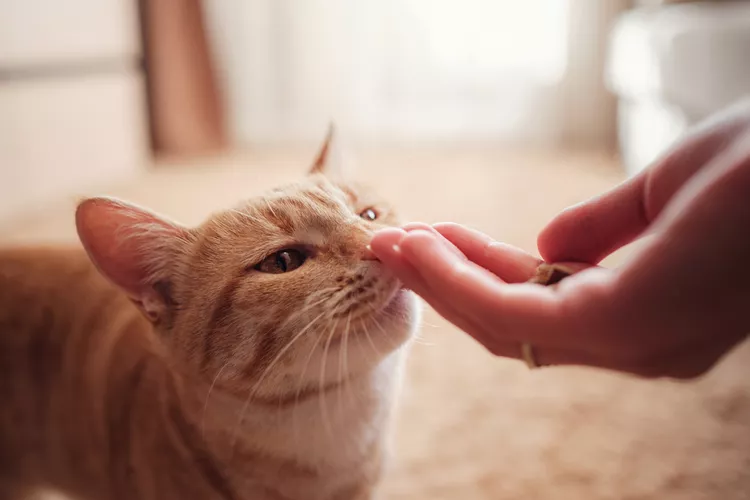
- Offer the cat alternatives to chew, such as cardboard or cat-approved dental treats. There are several that are approved by the Veterinary Oral Health Council that can help prevent tartar and help your cat get some appropriate chewing done.
- Add digestible fiber to your cat's diet, which prompts some cats to reduce their chewing activity or even stop altogether. Fresh cat greens, green beans, or lettuce added to the cat’s food bowl may do the trick. Some of the “hairball formula” commercial diets may also work, as they provide increased fiber as well.
- Reduce anxiety to help eliminate the need for chewing. Consider trying a synthetic kitty facial pheromone to relieve stress and soothe your cat. Otherwise, make sure your cat's litter box is spotless and that it has enough toys and playtime with you to stave off boredom.