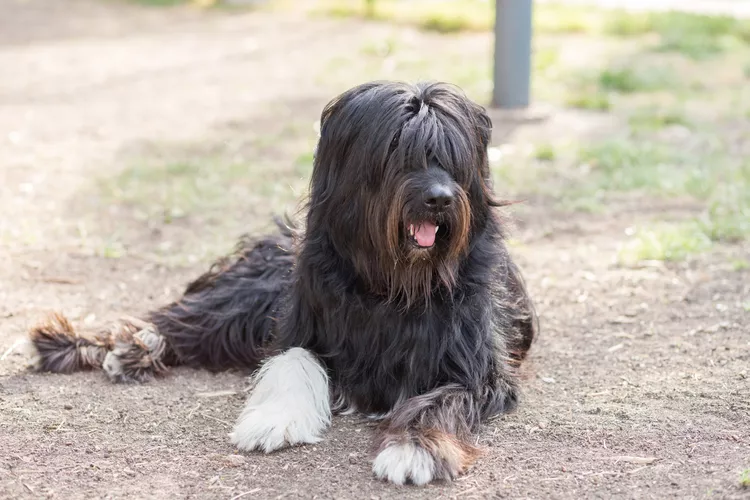
The barbet (pronounced bar-bay) is a medium-sized birding dog that's probably best known for its distinctive, curly coat and beard at the muzzle. A quintessential water dog, barbets were originally bred hundreds of years ago to hunt birds and waterfowl throughout Europe. Today's barbets are hard to find, but they are beginning to increase in numbers—it's estimated that there are only about 500 barbets in the United States and about 2,000 across North America. Modern-day barbets have maintained their ancestors' athleticism, intelligence, and calm demeanor, making them excellent for families with kids or other pets—and they're still excellent hunters, too.
Breed Overview
GROUP: Sporting
HEIGHT: 19 to 24.5 inches from the shoulder
WEIGHT: 35 to 65 pounds
COAT: Long, dense, curly
COAT COLOR: Black, grey, brown, or fawn, and some have white markings
LIFE SPAN: 12 to 14 years
TEMPERAMENT: Calm, goofy, devoted, intelligent, obedient, joyful
HYPOALLERGENIC: Yes
ORIGIN: France
Characteristics of the Barbet
Barbets love their humans—and need constant attention from them—so they may be susceptible to separation anxiety. Excessive drooling, accidents in the house, and destructive behavior can be signs of the condition. Talk to your vet about ways to ease separation anxiety through training or medication for severe cases.
History of the Barbet
A close relative to the poodle and the briard, the barbet originated in France as a bird and waterfowl hunting dog. The barbet's webbed paws enabled him to pursue birds into mud and water, earning him the nickname "mud dog." The barbet's real name, however, comes from the French word "barbe," which means "beard."
The barbet has a long, varied history throughout Europe. The first written description of the breed appeared in literature in 1387, but some believe barbets originated as early as the 8th century. It's also said that King Henry IV kept barbets as his companions, and his mistress once got into trouble for bringing a barbet into church.
Although barbets served as loyal hunting dogs—and companions—for centuries, they're a fairly rare breed today. Despite their smaller populations globally, the barbet ranks as one of the top agility dogs in French dog competitions.
The barbet is a newer breed fully recognized by the American Kennel Club. The breed was classified in 2020 as a member of the "Sporting Group" by the AKC.
Barbet Care
It's important to make sure you can manage a barbet's high-maintenance grooming, exercise, and training needs before bringing one home. Because the barbet has a curly, dense coat, shedding is minimal—but daily grooming is a must. Due to their grooming requirements, high intelligence (and potential for stubbornness), a barbet may not be the right dog for a first-time dog owner, families with extremely busy schedules, or inactive families.
Exercise
Barbets are sporting dogs so they have higher energy levels and exercise needs. It's important to walk and run these dogs for at least two hours a day. They're highly intelligent dogs—so it's important to keep them engaged and entertained. They thrive in agility sports, so agility games, puzzles, or other challenging games will keep your barbet engaged and exercised.
Grooming
Because barbets have long, dense, curly coats, daily grooming is an absolute must. Their coats are highly susceptible to tangles, mats, and a build-up of debris. You may even find debris in your barbet's coat after each walk. If left ungroomed, the barbet's coat can easily become matted or felted and grow to long and unruly lengths. Each day, gently brush and comb your barbet's coat and remove any mats or tangles with your fingers. Removing a mat with a comb runs the risk of tearing your dog's coat or injuring his skin.
Some barbet owners prefer to keep their dogs' coats shorter to make grooming easier. If you choose to trim your barbet's coat, aim for about 4 inches in length around the body, and slightly longer on the head, chin, and tail. You can clip the hairs between your dog's eyes regularly, so he can see more clearly, as well as the hairs around the ear canal. If you don't feel comfortable trimming your dog's coat, a local groomer will be able to help.
Inspect your barbet's ears regularly, and gently remove any waxy build-up or debris with a soft cotton cloth. If your dog's ears are red and inflamed, are excessively dirty, or smell funny, make an appointment with your vet. These may be signs of infection and could require treatment.
All dog breeds are susceptible to periodontal disease if they don't receive proper dental care. Daily teeth brushing is ideal, but brushing your dog's teeth at least once per week can help prevent oral diseases from developing. You can also supplement brushing with dental chew treats, but remember: They're empty calories, so it's important to give them in moderation. Dental treats should never be your dog's only form of dental hygiene.
Training
Because barbets are extremely intelligent, they have the potential for stubbornness. Obedience training, as well as regular exercise and entertainment, can help. Although the barbet is loving and loyal to its family, it may not be so friendly towards strangers. Ongoing obedience training and proper socialization can help.
Common Health Problems
Although barbets are generally healthy dogs, there's no guarantee that certain health conditions won't arise. It's important to know the signs and symptoms, so you can seek proper care if your dog shows signs of any of these health conditions:
- Hip or elbow dysplasia: This condition affects the joints in the hips and elbows, and can result in extreme pain and weakness. Dysplasia is an inherited condition, so it's important to ask your breeder for a joint guarantee. Although most cases of dysplasia are genetic, injuries and excessive weight gain may also lead to development.
- Epilepsy: Characterized by frequent seizures, epilepsy is a condition that affects the electrical currents of your dog's brain. Signs of seizures include collapsing, full-body convulsions, and foaming at the mouth. If your dog has any of these symptoms, contact your vet for treatment immediately.
- Progressive retinal atrophy: PRA affects how well a dog can see. The genetic disease causes the rods, cones, and/or the pigmented layer of the eye lens to deteriorate and is eventually worn away causing blindness.
Diet and Nutrition
Your dog's diet depends largely on its size, weight, activity levels, and metabolism, but generally, you can expect to feed your barbet 1.5 to 2 cups of high-quality, high-protein dog food each day. If you're not sure how much to feed your barbet, your veterinarian can help develop a meal plan that works for your dog.
All breeds are susceptible to canine obesity if overfed and under-exercised. Obesity can lead to serious health complications like heart disease, diabetes, and joint problems, so it's important to make sure your dog is eating a healthy, balanced diet.
Where to Adopt or Buy a Barbet
It's highly unlikely that you'll find a barbet at your local shelter. If you choose to purchase a barbet from a breeder, do your research to ensure you're working with a reputable, ethical breeder. If possible, visit the breeder's home or breeding facility, so you can see where their dogs are kept, whether or not they're healthy, and the cleanliness and safety of the location. Be on the lookout for signs of a "backyard breeding" situation, like unhealthy animals, crowded facilities, or discounted puppies.
Don't be afraid to ask questions—reputable breeders want what's best for their dogs, and should willingly answer any questions or concerns you may have.
Begin your search for a breeder with the Barbet Club of America. The organization does warn potential barbet owners that they may need to wait a year or more for an available puppy. And, you should be prepared to pay about $2,500 to $4,000 per pup. In addition, the club has an arm that handles isolated cases of a barbet that needs to be rescued and rehomed.
Barbet Overview
Loving and loyal to family members
Does well in homes with other pets
Doesn't shed excessively
High energy with high exercise requirements
Not suitable for apartment living
Requires daily grooming
:strip_icc():format(webp)/GettyImages-155368806-b067f56589d24c65b61d0ad0b9854e74.jpg)
More Dog Breeds and Further Research
Barbets are great dogs. You may also be interested in pups similar to the barbet, so take the time to check out these breeds:
But don't stop searching just yet! There’s a whole world of potential dog breeds out there—with a little research, you can find the right one to bring home!
-
What type of family is perfect to own a barbet?
The best type of family to own a barbet would be one experienced with high-energy dogs. A very active outdoor family that takes its barbet on its adventures would be ideal. Barbets are generally patient and gentle with very active kids, as well.
-
Why aren't barbets good dogs for apartment living?
Barbets require a lot of exercise and apartments usually have restricted access to yards and other outdoor areas. If you live in an apartment with quick access to a park, then a barbet may find it easier to live in a smaller space. In addition, barbets are threatened by and sensitive to loud noises frequent in urban areas.
-
Is a barbet also a goldendoodle?
Barbets and goldendoodles are often mistaken for one another because of their coats, but they are two separate breeds. A goldendoodle is a mix between a golden retriever and a poodle, known as a "hybrid," and they originate from the United States. A goldendoodle with curly or shaggy hair may be confused with a barbet.