
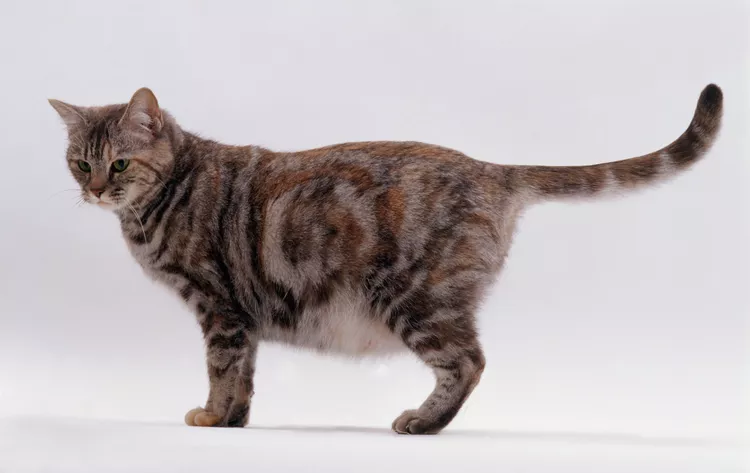
One controversial issue in shelter settings is whether or not to spay a rescued pregnant cat. While some people are disturbed at the thought of the embryos or fetuses being euthanized, others believe it is a strategy to combat pet overpopulation and to avoid the euthanasia of healthy adult animals when shelter resources are limited.
Cats are very efficient at reproduction and are capable of delivering 2 litters a year once they reach sexual maturity. It is fairly common for a cat to have its first estrus (heat) between four and six months of age so it is likely that an unspayed female cat will get pregnant if she encounters a male cat. This means many female cats will arrive at animal shelters in some stage of pregnancy and will deliver large litters of kittens needing medical care, resources, and good homes.
Spaying of a pregnant cat includes euthanasia of the embryos, a concept that may trigger an emotional reaction. However, shelters must carefully allocate their resources and for some, the euthanasia of embryos may seem more humane than having to euthanize healthy adult animals due to lack of space and resources.
Animal shelters approach the issue in many different ways including:
- Spaying early-term mother cats but allowing late-term pregnancies to be delivered before spaying.
- Spaying the mother cat in all cases, right up until birth.
- Seeking foster homes for pregnant animals so they can comfortably deliver their babies and then be spayed
- Designing a policy that prohibits spaying of any pregnant animal
This issue is emotional on both sides. Proponents of spaying don't like having to euthanize embryos or fetuses, but their position is based on a difficult trade-off in shelters which means that some animals often must be euthanized due to limited resources. It becomes a question of which animals to save. Opponents might argue that kittens tend to be highly adoptable and that it is more humane to allow a cat to deliver her kittens before spaying her.
Latest Developments
The larger issue should be addressed first, that of an enormous cat overpopulation problem, primarily caused by large numbers of un-spayed and un-neutered cats with high rates of successful matings, and large litters of kittens. Many outdoor cats are cared for by numerous people in a community and no one takes primary ownership of these semi-stray cats, so they are not spayed and neutered and often do not receive routine veterinary care. A pregnant female cat and her descendants can account for the births of several hundred kittens in just a few years. (A female cat is capable of bearing two litters of kittens each year.)
Animal rescue groups, humane societies, and TNR (trap-neuter-release) groups are overwhelmed in trying to control cat populations, 'Kitten season," which extends through Spring, Summer and early Fall, stretches resources even thinner as shelters and rescue groups swell with orphaned kittens needing laborious care. The influx of kittens may mean less space for older cats at shelters. There isn't enough space and resources to care for them all, and something must give.
While spaying a non-pregnant female cat will prevent the births of many future kittens, spaying a pregnant female cat leads to the euthanasia of identifiable embryos or fetuses, a thought that some people find upsetting.
Pros
- Spaying a rescued pregnant cat will help contain the overpopulation problem. There are too few homes for the huge number of homeless cats.
- Spaying a pregnant rescued cat will help prevent the euthanasia of other living cats and kittens in the shelter. When space and resources are finite, shelters must make hard choices about which animals to save and which to euthanize.
- Very young and very old pregnant stray cats are often not in ideal physical condition to endure pregnancy and care for a littler of kittens. They may be more prone to complications including rejecting their kittens, which could require 24/7 care for their orphaned babies. In these cases, spaying the cats can give them a better change at good health and adoption, and reduce the risk of orphaned babies who have low survival rates and require immense resources.
- Spaying a rescued pregnant cat will allow her to spend minimal time in the shelter and be available for adoption much sooner. If she is caring for a litter of kittens, she may be able to go to a foster home, but she would not be adoptable until all the kittens are weaned and then she is spayed, which typically would take around 6 weeks after delivery.
Cons
- Kittens are highly adoptable and desirable so some may argue that they will always find homes. Additionally, adopters with a preference for a kitten may not be swayed to adopt an older cat so it is not always true that the same home that would accept a kitten would otherwise have adopted an older cat from the shelter.
- Shelters and rescue organizations have come a long way in their approaches to stretch resources and minimize the need to euthanize healthy animals. Many have extensive foster networks and are able to place pregnant cats into foster homes until their kittens are weaned, which prevents them from taking up valuable space and resources within the shelter.
- Some animal advocates argue that it is more humane to allow a pregnant animal to deliver and care for her young as this is a natural behavior that is integral to their lifecycles.
- When pregnant animals are spayed, they may be more at risk for complications after surgery including bleeding.
Where It Stands
Individual shelters and rescue groups make their own protocols for how to approach these situations, and it may change throughout the year depending on available resources. This dilemma can hopefully be avoided as more cat owners are educated to be responsible caregivers and spay and neuter their cats. Most cats can be spayed and neutered before they are of reproductive age - as early as 2 months old, but most commonly around 4-6 months old
If more and more kittens are born each year, more and more stray cats will appear, and the feline overpopulation problem will increase. That is why this it is so important to educate owners to spay and neuter their pets.